Easy Lemon Pepper Chicken
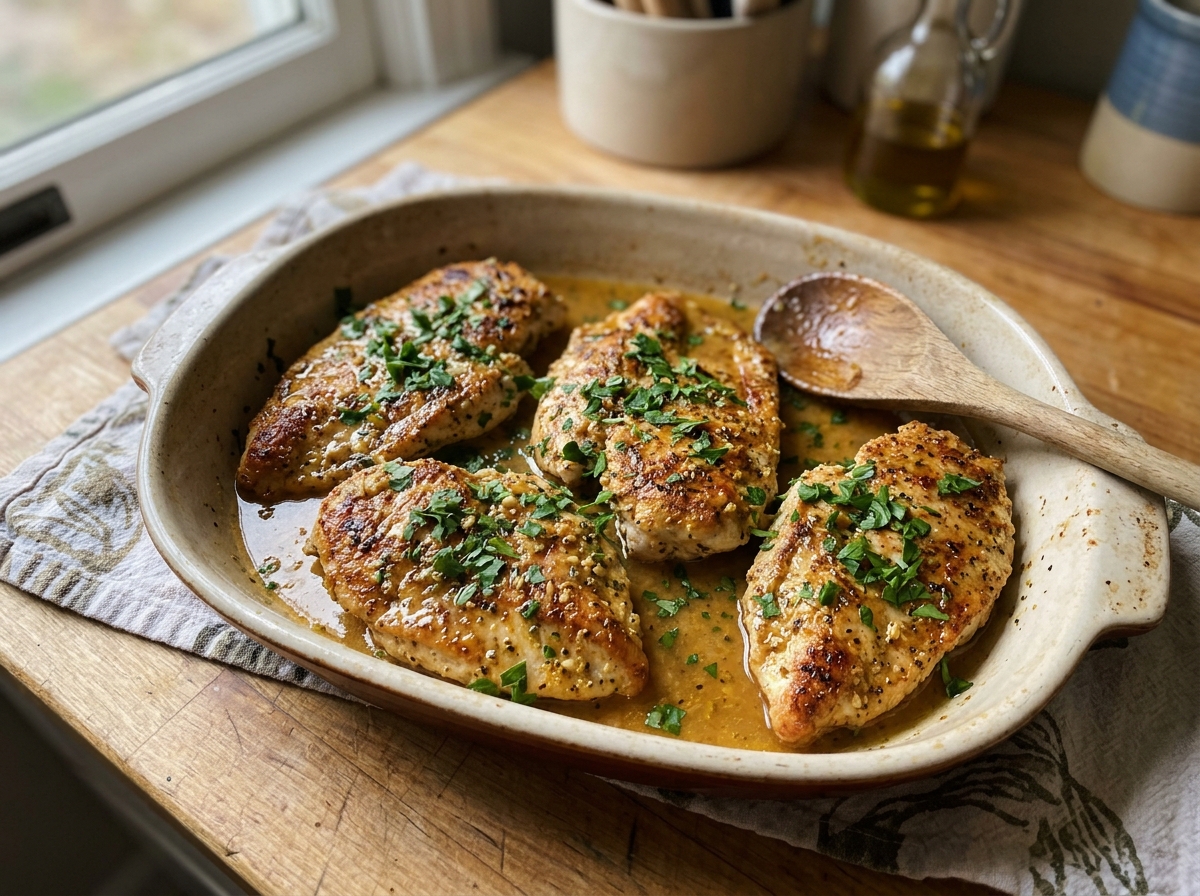
How do you make lemon pepper chicken that stays juicy while packing real citrus flavor? The key is slicing thick chicken breasts into thin cutlets, searing them quickly in butter and oil, and making a quick pan sauce with fresh juice added at the end. Adding raw lemon juice late in cooking prevents citrus oils from turning bitter while creating a glossy sauce that coats every bite.
Why This Skillet Lemon Pepper Method Works
Making great skillet chicken comes down to basic pan mechanics and temperature control. Thick chicken breasts often dry out on the outer edges before cooking through to the center. Slicing breasts into thin cutlets solves this issue, allowing high-heat searing that develops flavor quickly without overcooking the protein fibers.
The Science of Browning and Moisture Control
Dredging chicken in a thin coat of all-purpose flour serves two vital purposes. First, starches on the surface undergo the Maillard reaction rapidly when exposed to hot fat, creating a crisp outer layer. Second, as flour browns, it absorbs released juices and later acts as a natural emulsifying agent when broth hits the pan.
Combining olive oil and butter for searing raises the smoking threshold compared to using butter alone. Butter contains milk solids that burn quickly at high heat, but olive oil stabilizes these solids while preserving rich flavor notes.
Acid Timing and Pan Sauce Chemistry
Citrus flavor behaves differently under sustained heat. Lemon zest contains essential oils (primarily limonene) that hold up well during simmer phases. Fresh lemon juice, however, contains volatile aromatic compounds and citric acid that decompose when boiled, resulting in a flat, bitter taste.
Adding fresh lemon juice after removing the pan from direct heat protects these aromatic compounds. Swirling cold cubes of butter into the warm, acidic broth creates a stable oil-in-water emulsion. The cold butter melts slowly, coating fat droplets with fluid and building a velvety texture that clings to meat without heavy cream.
Finally, pulling chicken off heat at 160°F allows carryover heat to gently push internal temperature up to 165°F during a 5-minute rest. Resting relaxes muscle fibers, preventing juices from draining onto the plate when cut.
Key Ingredients and Smart Substitutions
Selecting the right ingredients ensures consistent flavor and smooth pan sauce execution. Here are the core components and their practical alternatives.
- Chicken Breasts: Boneless, skinless chicken breasts trimmed of fat and sliced horizontally into 1/2-inch cutlets cook evenly in under 8 minutes total. Substitution: Boneless, skinless chicken thighs. Trade-off: Thighs contain more dark meat fat, requiring 2 additional minutes per side, but yield a richer taste and remain tender even if slightly overcooked.
- Lemon Pepper Seasoning: Store-bought blends combine dried lemon peel, cracked black pepper, and salt. Check your label for salt content before adding extra salt to your flour mixture. Substitution: 1 tablespoon fresh lemon zest mixed with 1 teaspoon coarse black pepper and 3/4 teaspoon kosher salt. Trade-off: Fresh zest provides a punchier citrus aroma but lacks the sharp, concentrated bite of dehydrated lemon peel.
- Unsalted Butter: Cold unsalted butter gives total control over salt levels while building the sauce structure. Substitution: Ghee or extra virgin olive oil. Trade-off: Using oil alone thins out the pan sauce, missing the creamy body milk solids provide.
- Low-Sodium Chicken Broth: Broth deglazes the pan fond and builds savory depth. Low-sodium varieties prevent sauce from becoming overly salty as it reduces. Substitution: Dry white wine such as Pinot Grigio or Sauvignon Blanc. Trade-off: Wine adds extra acidity, so reduce fresh lemon juice by 1 tablespoon to preserve balance.
- Fresh Lemons: You need both zest and juice from real fruit. Bottled juice contains preservatives like sodium benzoate that ruin sauce flavor. Substitution: Meyer lemons. Trade-off: Meyer lemons possess a sweeter, floral flavor profile, which yields a milder sauce with lower punchy acidity.
Visual and Sensory Cues for Perfect Doneness
Relying on times alone can lead to dry chicken because burner output and pan weight vary. Pay attention to these visual, audible, and tactile cues while cooking.
Dredging and Pan Setup Cues
When coating cutlets in seasoned flour, look for a fine, dusty veil over the meat. Shake each cutlet firmly over the dish. If flour looks wet or clumpy, rub it gently across the meat; excess flour will break off into dark, burned specks in your skillet.
Heat your skillet until the mixture of olive oil and butter shimmers and bubbles subside. A drop of flour tossed into the oil should sizzle immediately without smoking. If butter turns dark brown before chicken hits the pan, lower burner heat slightly.
Searing Cues and Temperature Checks
Lay cutlets into the pan away from your body to avoid oil splashes. You should hear a steady, brisk searing sizzle. Let cutlets sit undisturbed for 3 to 4 minutes. You will know it is time to flip when edges turn opaque and gold-brown color creeps up the lower third of each cutlet. If meat sticks tightly to the pan, let it cook 30 seconds longer until it releases naturally.
After flipping, cook for 3 minutes. Test doneness by inserting a digital probe thermometer horizontally into the thickest part of the cutlet. Remove meat at 160°F. The surface will spring back gently when pressed with tongs, feeling firm rather than soft or squishy.
Pan Sauce Doneness Cues
When reducing broth and garlic, watch bubble size. Small, watery bubbles will grow larger and slower as moisture evaporates. When spooning sauce leaves a clear trail across the bottom of the skillet that fills back in slowly, the pan is ready to be removed from heat for butter integration.
Common Pitfalls and How to Fix Them
Small errors in pan heat or ingredient timing can ruin texture or balance. Watch out for these four common mistakes.
1. Bitter Sauce from Boiling Lemon Juice
Boiling raw lemon juice degrades citric acid into harsh compounds while evaporating water, concentrating bitterness. Fix: Always add fresh lemon juice off the heat at the very end of cooking. Use lemon zest during the reduction step to infuse aromatic citrus without harshness.
2. Rubberized Cutlets from Uneven Thickness
Uneven chicken breasts cook unevenly, leaving thin ends tough and dry while thick centers remain undercooked. Fix: Slice breasts horizontally or place them between sheets of plastic wrap and pound thick sections with a mallet until uniform 1/2-inch thickness is achieved.
3. Broken or Greasy Pan Sauce
Adding butter to boiling pan juices breaks the oil-and-water emulsion, separating clear yellow fat from liquid. Fix: Take the skillet off the burner before adding butter. Whisk in cold, cubed butter one piece at a time so fat melts gradually into the warm liquid.
4. Scorched Garlic and Flour
Garlic burns quickly in hot residual oil, leaving black specks and acrid flavor in your sauce. Fix: Lower burner heat to medium before adding minced garlic, and stir constantly for no more than 30 seconds before pouring in liquid to stop the browning process.
Practical Variations for Any Meal
This baseline recipe adapts easily to dietary requirements or seasonal ingredients in your kitchen.
- Gluten-Free Lemon Pepper Chicken: Replace all-purpose flour with an equal amount of 1:1 gluten-free baking flour blend or 1.5 tablespoons of cornstarch. Cornstarch creates a light, crisp crust and thickens pan sauce efficiently without altering flavor.
- Creamy Lemon Garlic Cutlets: Add 1/4 cup of heavy cream alongside chicken broth before reducing the sauce. Simmer until sauce coats the back of a spoon, then stir in lemon juice. Cream balances high pepper notes and creates a rich texture.
- Rosemary and Thyme Lemon Chicken: Add 1 teaspoon of fresh minced rosemary and 1 teaspoon of fresh thyme leaves to the pan along with minced garlic. Earthy herbs cut through citrus brightness, perfect for autumn dinners.
Storage, Freezing, and Reheating Instructions
Lemon pepper chicken keeps well when stored correctly, making it useful for busy weeknights.
Refrigeration and Freezing Guidelines
Cool leftover chicken cutlets completely before transferring them with sauce into an airtight container. Refrigerate for up to 3 days. Sauce will solidify into a gel state due to chilled butter solids and chicken collagen; this thins out quickly when warmed.
To freeze, pack cooked cutlets and sauce into freezer-safe containers or ziplock bags for up to 2 months. Thaw overnight in the refrigerator before reheating. Note that butter sauce may separate slightly upon thawing, but whisking during reheating restores texture.
Proper Reheating Methods
Reheat cutlets in a skillet over medium-low heat with 2 tablespoons of chicken broth or water. Cover with a lid for 3 to 5 minutes until chicken registers 165°F inside. Avoid microwave reheating at full power, as rapid steam expansion dries out chicken cutlet fibers.
Frequently Asked Questions
Can I use salt-free lemon pepper seasoning?
Yes. If your lemon pepper blend is salt-free, add 3/4 teaspoon of kosher salt to the flour dredge mixture. Adjust salt at the end of making the pan sauce after tasting.
Should I marinate chicken cutlets in lemon juice before cooking?
No. Marinating chicken cutlets in raw lemon juice for longer than 15 minutes denatures protein surface texture, turning meat mushy and white before it touches the pan. Searing dry cutlets and finishing with pan sauce delivers far better texture and flavor.
Why is my lemon pepper chicken sticking to the pan?
Sticking occurs when the pan is not preheated sufficiently or when cutlets are moved too early. Ensure oil and butter shimmer before adding meat, and let cutlets sear undisturbed for 3 full minutes so a caramelized crust can form and release naturally.
Can I prep lemon pepper chicken ahead of time?
Yes. You can slice chicken breasts into cutlets and mix the dry flour seasoning up to 24 hours in advance. Store cutlets wrapped tightly in the fridge and combine them with flour right before searing to prevent gummy coating.
Easy Lemon Pepper Chicken
Ingredients
Equipment
Method
- Pat chicken cutlets thoroughly dry with paper towels on both sides to ensure proper browning.
- Mix all-purpose flour, lemon pepper seasoning, and kosher salt in a shallow dish or pie plate.
- Dredge each cutlet in the flour mixture, shaking off excess flour so only a thin coating remains.
- Heat olive oil and 1 tablespoon of butter in a 12-inch skillet over medium-high heat until butter melts and foams.
- Place chicken cutlets in the skillet in a single layer and cook for 3 to 4 minutes without moving them, until golden brown underneath.
- Flip cutlets and cook for another 3 minutes until internal temperature reaches 160°F on an instant-read thermometer.
- Transfer chicken cutlets to a plate and tent loosely with aluminum foil to rest while making sauce.
- Reduce burner heat to medium, add minced garlic to the pan, and sauté for 30 seconds until fragrant without burning.
- Pour low-sodium chicken broth into the pan, scraping the bottom with a wooden spoon to release browned bits.
- Stir in fresh lemon zest and simmer for 2 minutes until liquid reduces by half.
- Remove skillet from heat and whisk in remaining 2 tablespoons of cold butter and fresh lemon juice until smooth and glossy.
- Return chicken cutlets and accumulated juices to skillet, spoon sauce over top, garnish with parsley, and serve immediately.