Christmas Pecan Cream Cheese Drop Cookies
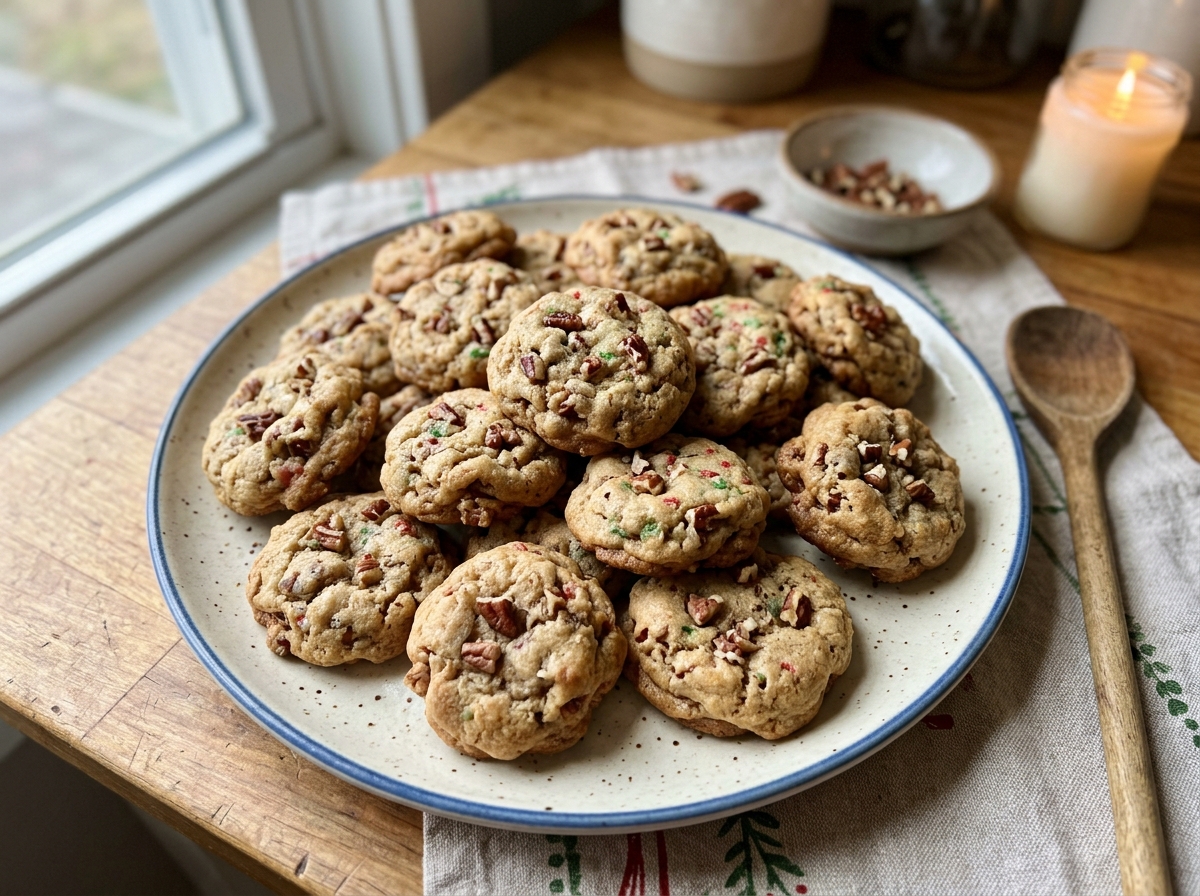
These Christmas pecan cream cheese drop cookies are a practical holiday treat when cookie tins need filling on short notice. Adding full-fat block cream cheese directly to the dough creates a tender, cake-like crumb that stays soft for days without relying on vegetable shortening. Toasting chopped pecans before folding them into the batter amplifies their natural oils, delivering a rich nutty contrast to the sweet dairy base.
The Science Behind Soft Pecan Cream Cheese Cookies
Cream cheese functions differently than standard butter in cookie dough because of its unique ratio of fat, water, and milk solids. Standard American butter contains roughly 80 percent fat and 16 to 18 percent water, whereas block cream cheese contains around 33 percent fat and 55 percent water along with lactic acid. When mixed with butter, cream cheese introduces additional moisture that hydrates starch molecules in the flour. The lactic acid in the cheese also lowers dough pH slightly, which tenderizes gluten strands and prevents the finished cookie from becoming tough or overly crisp.
Toasting the pecans before adding them to the batter is essential for both flavor and moisture control. Raw pecans hold bound moisture inside their cell walls. Heating raw nut pieces at 350°F (177°C) evaporates excess water while triggering the Maillard reaction, which creates deep aromatic compounds known as pyrazines. Toasting also releases natural oils to the surface of the pecan pieces. These toasted oils flavor the surrounding dough as the cookies bake, rather than absorbing liquid out of the crumb.
Chilling the dough prior to baking controls fat expansion in the oven. Butter melts at roughly 90°F to 95°F (32°C to 35°C), while cream cheese fat melts at a slightly lower threshold. If warm dough enters a hot oven, the fat liquifies before the flour starches gelatinize and set the cookie structure, resulting in thin, greasy disks. Rested, chilled dough ensures the fat expands slowly, giving the flour time to set firm edges while keeping the center thick and soft.
Key Ingredients and Smart Substitutions
Full-Fat Block Cream Cheese: Always select brick-style cream cheese packaged in foil, not soft spreadable cream cheese sold in plastic tubs. Tub cream cheese has added water and air whipped into it to make it spreadable, which causes dough to spread rapidly into flat, sticky shapes. Substitution: Full-fat mascarpone cheese works as a 1:1 substitute, offering a creamy consistency with slightly less tang.
Unsalted Butter: Unsalted butter allows you to control the exact sodium levels in the baked goods. Ensure your butter is softened to about 65°F (18°C), where it leaves a slight thumb dent when pressed but is not melted or greasy. Substitution: Salted butter can be substituted smoothly; simply reduce the added kosher salt in the recipe from 1/2 teaspoon down to 1/4 teaspoon.
Chopped Pecans: Buy fresh, raw pecan halves and chop them coarsely by hand rather than using a food processor. Hand-chopping creates uniform pieces with minimal nut dust, keeping the cookie dough clean rather than turning it gray. Substitution: Chopped English walnuts or toasted macadamia nuts offer a similar oil content and crunch with slight flavor differences.
All-Purpose Flour: Standard unbleached all-purpose flour with a protein content between 10 and 11 percent provides the perfect structure for drop cookies. It holds the high-moisture dough together without turning dense. Substitution: A 1:1 gluten-free baking flour blend containing xanthan gum can replace all-purpose flour cup-for-cup, though dough should chill 15 minutes longer to allow gluten-free starches to hydrate fully.
Granulated and Light Brown Sugar: Combining equal parts white granulated sugar and light brown sugar creates a balance between crisp edges and a soft interior. The molasses in brown sugar attracts atmospheric moisture, keeping the baked cookie soft over several days. Substitution: Dark brown sugar can replace light brown sugar if you prefer a deeper caramel note, though it will darken the color of the final cookie slightly.
Visual and Sensory Doneness Cues
Toasting the Pecans: Place coarsely chopped pecans on an unlined baking sheet in a single layer. Toast in a 350°F (177°C) oven for 8 to 10 minutes. Watch closely around the 7-minute mark; the nuts are done when they release a warm, toasted fragrance and darken by one shade. You should hear a soft sizzling sound on the pan. Transfer them immediately to a plate so residual pan heat does not burn them.
Creaming the Fat and Sugar: Combine softened butter, cream cheese, granulated sugar, and brown sugar in a bowl. Beat on medium speed for a full 3 minutes. The mixture is properly aerated when it lightens from yellow to a soft ivory color and clings to the sides of the bowl without visible sugar granules.
Scooping and Chilling Dough: Portion dough with a 1.5-tablespoon (#40) cookie scoop onto a parchment-lined tray. Raw dough balls should feel soft but hold a neat round shape without slumping. After 60 minutes in the refrigerator, the dough balls will feel firm to the touch, cold, and slightly matte on the surface.
Oven Doneness: Bake at 350°F (177°C) for 11 to 13 minutes. Look for cookie bottoms to show a light golden hue and edges that are pale, dry, and set. The centers must remain soft, opaque, and slightly puffy. Avoid waiting for the tops to brown heavily, as cream cheese cookies turn dry quickly when overbaked. Let them sit on the warm baking pan on the counter for 5 minutes so carryover heat finishes setting the center.
Baking Mistakes That Ruin Drop Cookies
Using Soft Tub Cream Cheese: Tub spreads contain higher water content and emulsifiers that alter dough chemistry. This extra liquid leads to spread-out, soggy cookies. Stick strictly to 8-ounce block cream cheese for baking.
Mixing Hot Nuts into the Dough: Folding freshly toasted pecans straight from the oven into the cookie dough instantly melts the butter and cream cheese. This breaks the creamed fat emulsion and causes greasiness. Always allow chopped pecans to cool completely to room temperature on a plate before mixing them into the batter.
Baking on Warm Sheet Pans: Placing chilled dough balls onto a baking sheet that is still warm from a previous batch starts melting the bottom fats before the pan hits the oven. Always let baking sheets cool completely to room temperature, or rinse the underside under cold water and dry thoroughly between batches.
Overworking the Flour: Stirring the dough excessively after adding the dry ingredients develops gluten strands. High gluten development turns delicate drop cookies tough and rubbery. Mix flour in on low speed or by hand with a spatula just until white streaks disappear.
Skipping the Sheet Pan Rest: Transferring cookies immediately to a wire rack right out of the oven causes tender cream cheese cookies to break or bend in half. Giving them 5 minutes on the warm baking tray lets the starches firm up safely before movement.
Seasonal and Flavor Variations
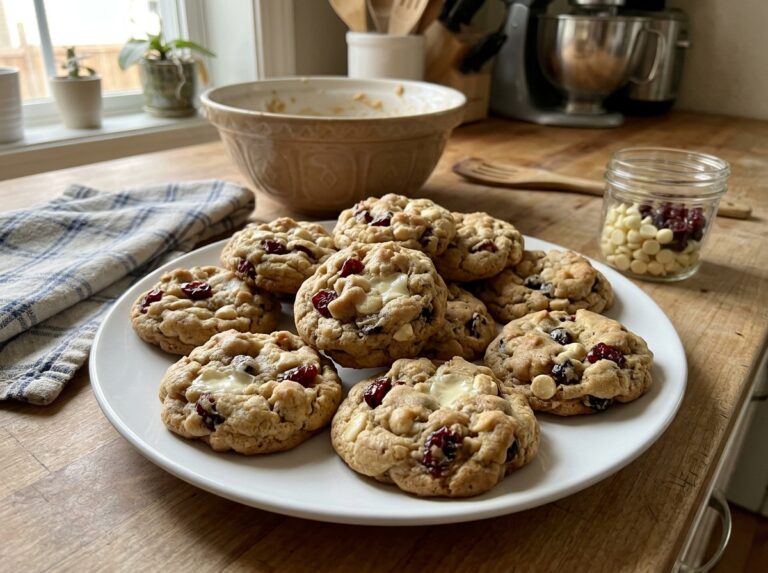
Cranberry Pecan Cream Cheese Cookies: Fold 1/2 cup of coarsely chopped dried tart cranberries into the dough along with the toasted pecans. The sharp acidity of dried fruit cuts through the rich butter and cream cheese, adding a festive red color contrast to holiday trays.
Spiced Holiday Pecan Cookies: Whisk 1/2 teaspoon ground cinnamon, 1/4 teaspoon ground nutmeg, and 1/8 teaspoon ground ginger into the flour mixture before combining with wet ingredients. This adds a subtle, warm spice note that pairs exceptionally well with dark roasted pecans.
Toffee Pecan Crunch Cookies: Mix 1/2 cup English toffee bits into the batter during the final fold with the nuts. As the cookies bake, small pockets of toffee melt into golden caramel pockets, adding a pleasant crunchy texture throughout the soft interior.
Storing, Freezing, and Advance Prep
Room Temperature Storage: Keep baked, fully cooled cookies in an airtight container layered between sheets of parchment paper. Store at room temperature for up to 4 days. Adding a small slice of white bread to the container helps maintain optimal moisture balance without softening the nuts.
Refrigerator Storage: Because of the high dairy content, these cookies can also be stored in an airtight container in the refrigerator for up to 7 days. Cold cream cheese cookies develop a slightly denser, fudge-like texture that many enjoy directly from the fridge.
Freezing Unbaked Dough: Scoop dough into balls and place them close together on a parchment-lined sheet pan. Freeze for 1 hour until rock solid, then transfer the frozen balls into a freezer-safe zip-top bag for up to 2 months. Bake directly from frozen at 350°F (177°C), adding 2 extra minutes to the total bake time.
Freezing Baked Cookies: Allow baked cookies to cool completely on a wire rack. Pack them tightly in a freezer-safe container with parchment between layers and freeze for up to 3 months. Thaw at room temperature for 20 to 30 minutes before serving.
Frequently Asked Questions
Why did my pecan cream cheese cookies turn out flat and greasy?
Flat, greasy cookies usually happen when the butter or cream cheese was too warm or melted during mixing. Using tub cream cheese instead of block cream cheese also adds excess liquid that breaks the dough structure. Be sure to use full-fat block cream cheese, let toasted pecans cool completely before mixing, and chill the dough for a full 60 minutes before baking.
Can I prepare this cookie dough several days ahead of holiday baking?
Yes, this dough holds up exceptionally well in advance. You can store the prepared dough tightly wrapped in plastic wrap in the refrigerator for up to 48 hours before baking. If chilled longer than 2 hours, let the dough sit on the counter for 10 minutes so it is soft enough to scoop cleanly with a cookie scoop.
Do pecan cream cheese cookies need to be kept in the refrigerator after baking?
Baked pecan cream cheese cookies can safely stay at room temperature in an airtight container for up to 4 days because the sugar and baking process reduce available moisture. However, if your home is unusually warm or humid, refrigerating them will extend their freshness up to 7 days and give them a pleasant, dense texture.
How do I keep the pecans from making the dough oily or heavy?
Toasting the pecans drives off internal moisture and sets the natural nut oils so they do not leach into the raw dough. Chopping nuts by hand with a chef’s knife rather than pulse-grinding in a machine prevents creating fine nut dust that breaks down the dough emulsion. Always allow toasted pecans to cool to room temperature before folding them in gently.
Christmas Pecan Cream Cheese Drop Cookies
Ingredients
Equipment
Method
- Preheat oven to 350°F (177°C) and line a baking sheet with parchment paper.
- Spread coarsely chopped pecans across the baking sheet in a single layer.
- Toast pecans in the oven for 8 to 10 minutes until fragrant and slightly darkened, then transfer to a plate to cool completely.
- In a large mixing bowl, beat softened butter, softened cream cheese, granulated sugar, and light brown sugar together on medium speed for 3 minutes until light and creamy.
- Add the room temperature egg and vanilla extract to the butter mixture, beating for 1 minute on medium speed until fully combined.
- Whisk together all-purpose flour, baking powder, baking soda, and kosher salt in a separate medium bowl.
- Turn the mixer to low speed and gradually add the dry ingredients to the creamed mixture, mixing just until a soft dough forms.
- Fold the cooled, toasted pecans into the dough using a rubber spatula until evenly distributed.
- Cover the mixing bowl tightly with plastic wrap and refrigerate dough for 60 minutes.
- Line two large baking sheets with fresh parchment paper and preheat oven to 350°F (177°C).
- Scoop 1.5-tablespoon balls of chilled dough onto the prepared baking sheets, spacing them 2 inches apart.
- Bake at 350°F (177°C) for 11 to 13 minutes until cookie edges are set and pale golden brown while centers remain soft.
- Allow cookies to rest on the hot baking sheets for 5 minutes before transferring them to a wire rack to cool completely.