Old-Fashioned Peanut Butter Balls
How do you stop peanut butter balls from turning into a sticky, greasy mess while dipping them in chocolate? The answer lies in using stabilized commercial peanut butter and chilling the shaped dough completely before it touches warm melted chocolate. We use a balanced ratio of butter, confectioners’ sugar, and crisp rice cereal to create a firm center that maintains its shape. This approach guarantees clean dipping, smooth chocolate shells, and centers that hold together perfectly.
The Science Behind Firm, Non-Greasy Peanut Butter Centers
Making confectioners-style peanut butter balls requires controlling fat, moisture, and temperature. Standard commercial peanut butter relies on hydrogenated oils that remain emulsified at room temperature. Natural peanut butter, by contrast, releases free oil when mixed with sugar. That oil breaks the structure of the ball, making it impossible to roll clean spheres.
Confectioners’ sugar acts as both a sweetener and a dry structural binder. Because powdered sugar contains a small amount of cornstarch (usually about three percent), it absorbs liquid fat from softened butter and peanut butter without turning gritty. The sugar crystals dissolve slightly into the butter fat, creating a pliable dough similar to modeling clay.
Chilling the shaped balls before dipping solidifies the butter and peanut butter fats. When cold centers hit warm melted chocolate, the temperature difference causes the chocolate to set rapidly around the exterior. If the centers are warm, their fats mix into the liquid chocolate coating, causing the chocolate to streak, bloom, or soft-set into a sticky mess.
Selecting Ingredients for Structure and Coating
Every ingredient in this recipe plays a specific structural role. Substituting ingredients without adjusting ratios can change how the center holds together or how the chocolate sets.
- Creamy Commercial Peanut Butter: Standard shelf-stable peanut butter (like Jif or Skippy) provides consistent emulsification. Natural peanut butter that requires stirring will yield oily, soft balls. If you must use natural peanut butter, drain the surface oil thoroughly and add two extra tablespoons of confectioners’ sugar.
- Unsalted Butter: Softened unsalted butter adds creaminess and binds the dry sugar. Salted butter can be substituted, but omit any extra added salt in the recipe to avoid an overly salty flavor profile.
- Confectioners’ Sugar: Fine powdered sugar dissolves smoothly into fat. Granulated white sugar or brown sugar will remain grainy and gritty because there is no liquid water in this recipe to dissolve large sugar crystals.
- Crisp Rice Cereal: Lightly crushed crisp rice cereal provides structural body and a slight crunch that contrasts with the dense filling. You can substitute fine graham cracker crumbs in equal volume, which yields a denser, fudge-like interior.
- Semisweet Chocolate Chips and Shortening: Semisweet chocolate offers a dark, rich contrast to sweet peanut butter. Stirring solid vegetable shortening or coconut oil into the melted chocolate thins it out, creating a fluid coating that sets with a glossy finish.
Visual and Sensory Cues for Every Step
Knowing what the mixture should look and feel like at each stage ensures your peanut butter balls come out uniform and easy to dip.
Dough Texture: When mixed completely, the peanut butter dough should peel clean from the sides of the bowl. It should feel like fresh playdough—soft enough to roll between your palms without sticking to dry skin, yet firm enough to hold a round shape without flattening out on the tray.
Chilling Firmness: After 30 to 45 minutes in the refrigerator, the rolled balls should feel cool and firm to the touch. Pressing one lightly with your fingertip should leave a faint indent without altering the ball’s overall round shape.
Chocolate Coating Consistency: Warm melted chocolate mixed with shortening should stream smoothly off a spoon like warm syrup. If the chocolate falls in thick, heavy clumps, it is too cold or over-heated, and needs low heat or a half-teaspoon of additional shortening.
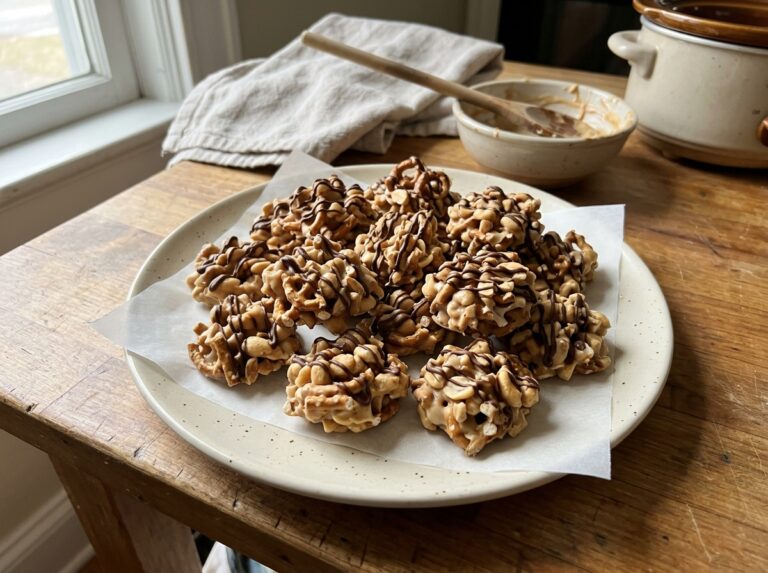
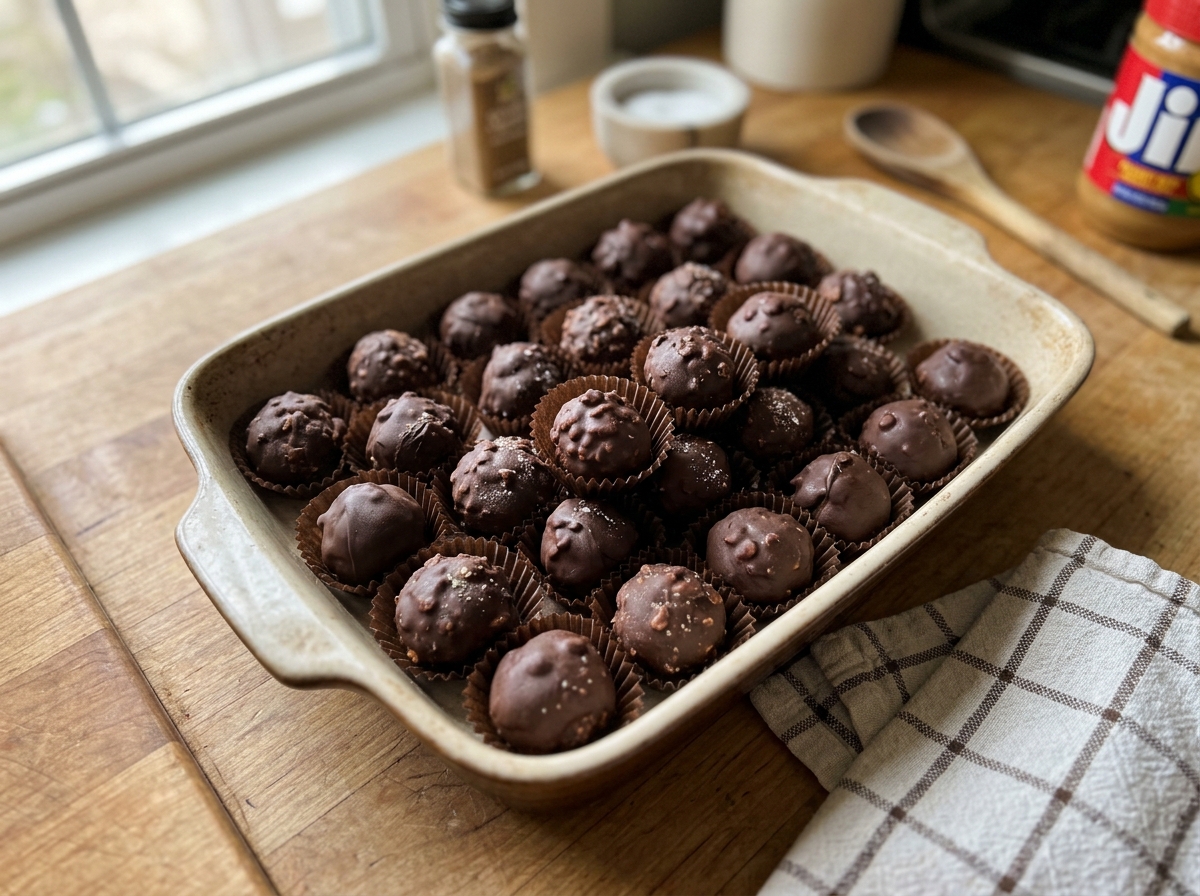
Set Shell Visual Cues: As the chocolate-coated balls cool on parchment paper, the coating will transition from wet and glossy to a firm, matte finish. Touch the side of one ball with the tip of a knife; if it leaves no smear, the coating has hardened fully.
Common Pitfalls and How to Fix Them
Avoid these frequent mistakes to ensure your batch rolls smoothly and dips cleanly without mess.
- Using Oil-Separated Natural Peanut Butter: Free floating oils prevent the sugar from binding, resulting in greasy centers that leak oil through the chocolate coating. Stick to traditional processed peanut butter for predictable results.
- Dipping Room-Temperature Balls: Warm peanut butter centers soften quickly when lowered into warm chocolate, dropping crumbs into the melting bowl. Always chill the shaped balls for at least 30 minutes before dipping.
- Overheating the Chocolate Coating: Heating chocolate above 115 degrees Fahrenheit causes sugar and cocoa solids to separate and seize into a grainy paste. Melt chocolate in short 20-second microwave bursts at 50 percent power, stirring between intervals.
- Omitting Shortening or Coconut Oil: Pure melted chocolate chips are too thick for clean dipping and crack easily when bitten. Adding fat thins the coating so excess drips off smoothly, leaving a thin, crisp shell.
- Over-Crushing the Cereal: Pulverizing crisp rice cereal into fine powder makes the center dense and heavy. Gently crush the cereal with your hands or a rolling pin so distinct mini-pieces remain for texture.
Simple Variations to Try
Once you master the classic base recipe, you can adapt flavor profiles and textures using simple pantry swaps.
- Pretzel Crunch Center: Replace the crisp rice cereal with an equal volume of finely chopped salted pretzels. The salt cuts through the sweet powdered sugar, and the pretzel pieces maintain their crunch inside the peanut butter dough.
- Dark Chocolate and Sea Salt: Use 60 percent dark chocolate chips for the coating instead of semisweet. Immediately after dipping each ball, sprinkle a tiny pinch of coarse flaky sea salt on top before the chocolate hardens.
- Crunchy Peanut Butter Swap: Substitute crunchy commercial peanut butter for creamy peanut butter. This adds extra nut texture throughout without changing the fat balance of the recipe.
Storage Rules, Freezing Instructions, and Prep Ahead
Peanut butter balls store extremely well, making them ideal for advance prep before events or holiday baking trays.
Refrigeration: Store finished peanut butter balls in a single layer or stacked between sheets of parchment paper in an airtight container. They keep fresh in the refrigerator for up to 3 weeks.
Freezing: Place fully set peanut butter balls on a parchment-lined baking sheet and freeze for 1 hour until solid. Transfer them to a freezer-safe zipper bag or airtight container. Frozen peanut butter balls keep for up to 3 months. Thaw in the refrigerator for 2 hours before serving, or enjoy them chilled straight from the freezer.
Make-Ahead Dipping Strategy: You can roll the peanut butter centers up to 2 days before dipping. Keep them covered tightly in the refrigerator so they do not absorb fridge odors before coating them in chocolate.
Frequently Asked Questions
Can I use almond butter instead of peanut butter?
Yes, you can substitute commercial smooth almond butter or cashew butter for peanut butter at a 1:1 ratio. Ensure the nut butter is well-emulsified and shelf-stable rather than natural oil-separating butter. If using a drier nut butter, you may need to reduce confectioners’ sugar by 2 tablespoons to maintain the correct dough texture.
Why does the chocolate coating crack after setting?
Chocolate coating cracks when the peanut butter centers expand slightly as they warm up after being dipped while extremely cold or frozen. To prevent cracking, chill centers until firm but not frozen solid before dipping. Additionally, adding vegetable shortening or coconut oil to the chocolate provides flexibility in the outer shell.
How do I dip peanut butter balls without leaving fork marks?
Drop the chilled ball into warm chocolate, roll it to coat, and lift it out using a dipping fork or flat two-tined fork. Tap the fork handle against the edge of the bowl to let excess chocolate drip through the tines. Gently slide the ball onto parchment paper using a toothpick pushed against the base of the ball rather than the top.
Why are my peanut butter balls dry and crumbly?
Dry dough usually results from measuring confectioners’ sugar by scoop instead of light spooning, which packs too much sugar into the cup. If the mixture will not form a cohesive ball when squeezed, stir in softened butter one teaspoon at a time until the dough reaches a pliable, moldable consistency.
Old-Fashioned Peanut Butter Balls
Ingredients
Equipment
Method
- In a large mixing bowl, combine 1 cup creamy peanut butter, 0.5 cup softened unsalted butter, 1 tsp vanilla extract, and 0.25 tsp fine sea salt.
- Beat with an electric hand mixer on medium speed for 1 to 2 minutes until smooth and completely blended.
- Add 3 cups confectioners' sugar in two batches, beating on low speed until fully incorporated into a thick dough.
- Fold 1.5 cups lightly crushed crisp rice cereal into the peanut butter mixture using a sturdy spatula until evenly distributed.
- Line a large baking sheet with parchment paper.
- Scoop tablespoon-sized portions of dough and roll them firmly between your hands into smooth 1-inch balls.
- Arrange the peanut butter balls on the prepared baking sheet and chill in the refrigerator for 45 minutes until firm.
- In a microwave-safe bowl, combine 2 cups semisweet chocolate chips and 1 tbsp vegetable shortening.
- Microwave in 20-second intervals on 50 percent power, stirring thoroughly after each interval, until the chocolate is melted and smooth.
- Remove 6 peanut butter balls from the refrigerator at a time, keeping the rest cold.
- Drop each ball into the melted chocolate, spoon coating over top, and lift out using a dipping fork.
- Tap the fork against the side of the bowl to remove excess chocolate, then slide the coated ball back onto parchment paper.
- Repeat dipping with remaining balls, reheating chocolate for 10 seconds if it thickens.
- Chill the chocolate-coated balls in the refrigerator for 15 minutes until the outer shell sets completely.